DJI Mini 3 Review: Is It Still Worth Buying?
Yes, the DJI Mini 3 can still be worth buying, but only when the bundle is meaningfully less expensive than a newer model with obstacle sensing and subject tracking.
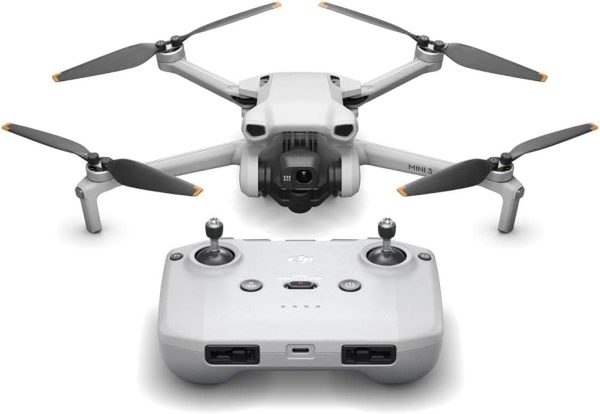
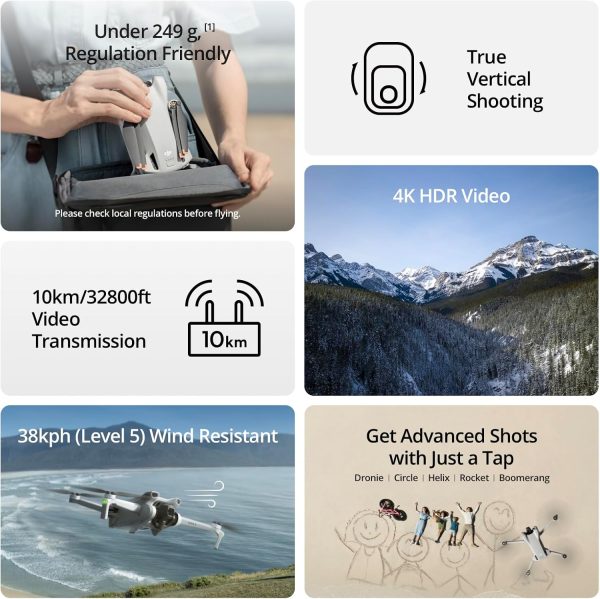
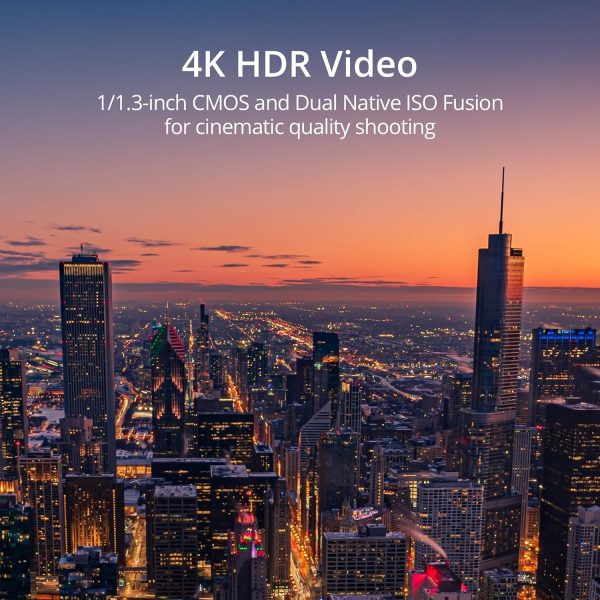
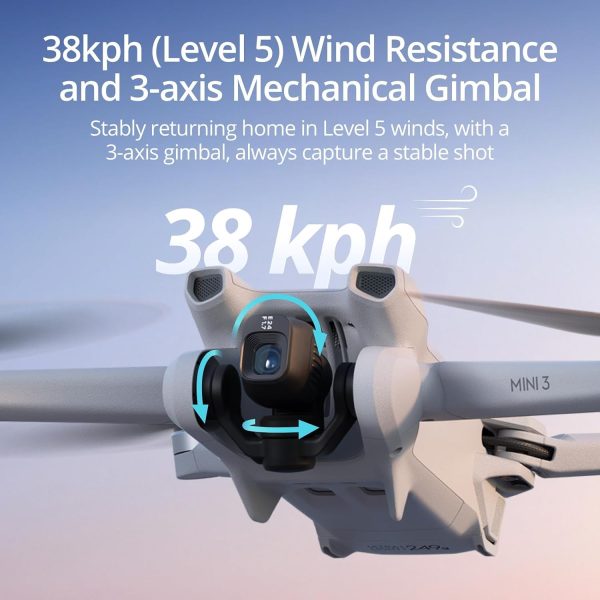
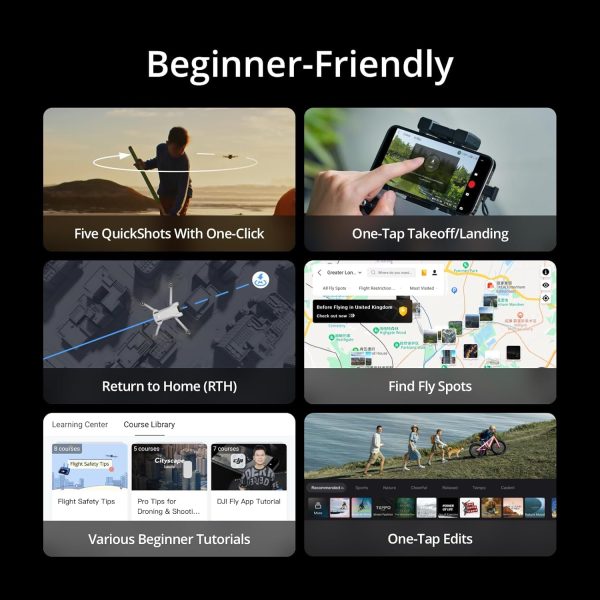
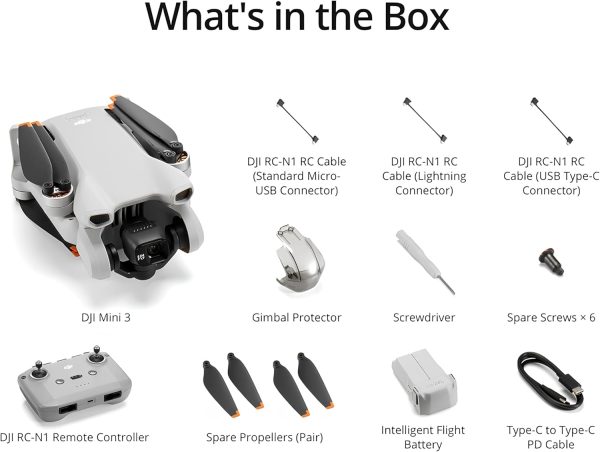
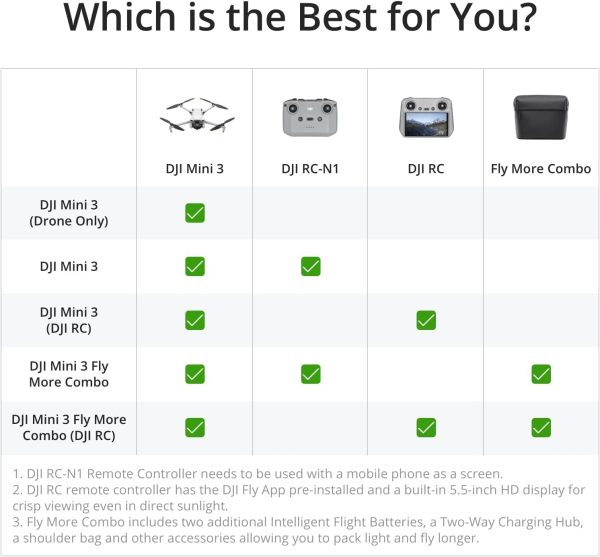
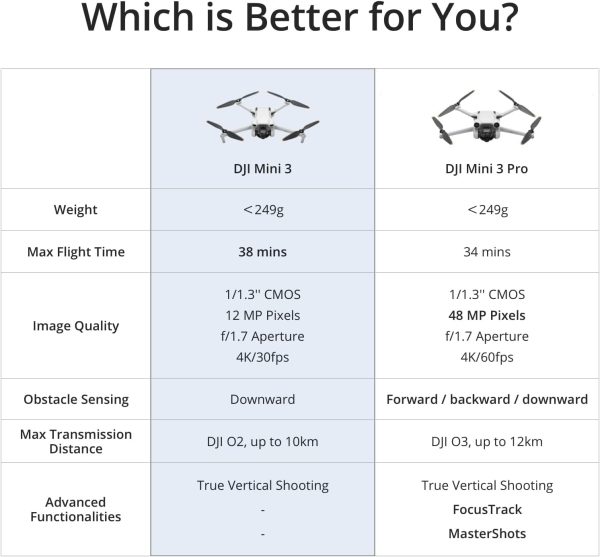
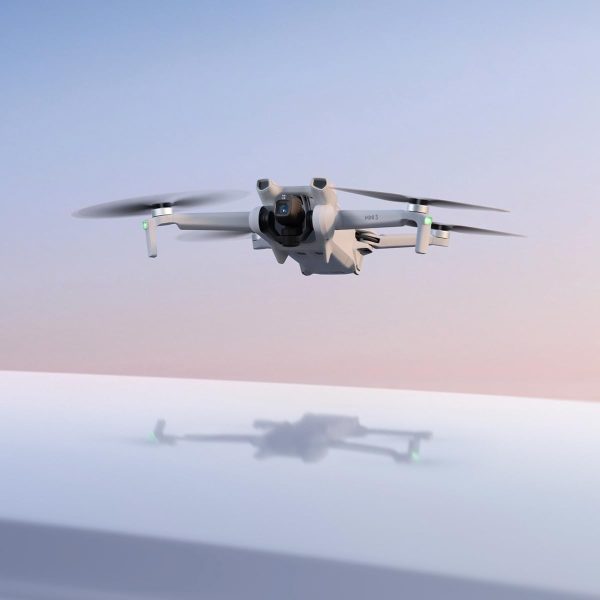
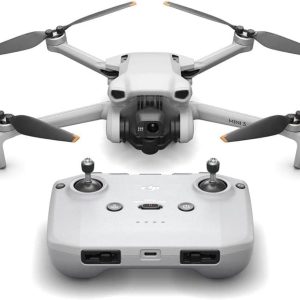
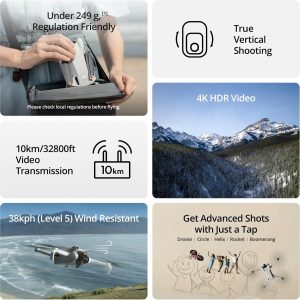
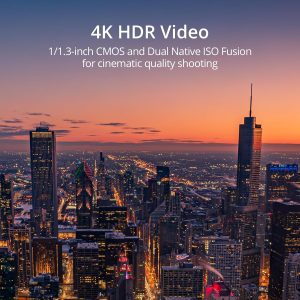
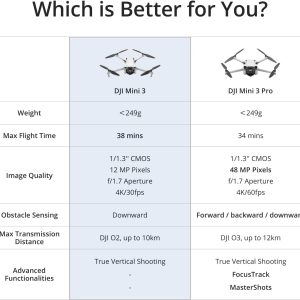
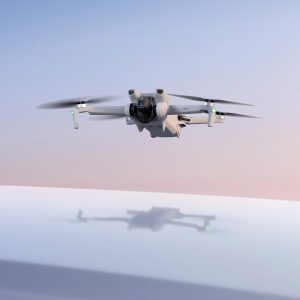
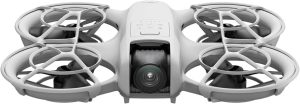
The DJI Mini 3 is a lightweight beginner camera drone with 4K HDR video, True Vertical Shooting, a 1/1.3-inch CMOS sensor, and up to 38 minutes of standard-battery flight time.
The DJI Mini 3 is a strong first camera drone for buyers who want better imaging, longer battery life, and true portrait capture without moving into DJI’s Pro range. It weighs 248 g with the standard battery, records 4K HDR video up to 30fps, captures 12 MP or 48 MP photos, and rotates its stabilized camera for True Vertical Shooting.
It is designed for smooth aerial photography and video, not FPV racing or freestyle. It also lacks forward and rear obstacle sensing, ActiveTrack, 4K/60, and a flat color profile. Those omissions matter more than the headline specifications if you want automated subject tracking or advanced production tools.
Best for
Beginners, travel, landscapes, vertical social content, scenic footage, and casual aerial photography.
Not ideal for
FPV racing, freestyle, automatic tracking, directional obstacle avoidance, 4K/60, or heavy color grading.
Verify before buying
Controller version, battery type and count, charger, microSD card, product condition, seller, and warranty region.
| Standard takeoff weight | 248 g with standard battery, propellers, and microSD card |
|---|---|
| Camera sensor | 1/1.3-inch CMOS, 48 MP effective pixels |
| Lens | 24 mm equivalent, f/1.7, fixed aperture |
| Maximum video | 4K HDR at 24, 25, or 30fps |
| Higher frame rates | 2.7K and Full HD up to 60fps |
| Photo formats | 12 MP or 48 MP; JPEG and DNG RAW |
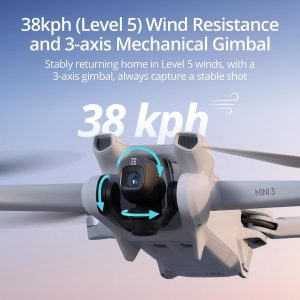
| Gimbal | Three-axis mechanical stabilization with True Vertical Shooting |
| Standard flight-time rating | Up to 38 minutes under DJI’s controlled test conditions |
| Battery Plus rating | Up to 51 minutes where available; aircraft weighs about 290 g |
| Transmission | DJI O2, 720p/30 live view, up to 10 km FCC in ideal conditions |
| Positioning | GPS, GLONASS, and Galileo |
| Obstacle sensing | Downward vision system only |
| Wind-resistance rating | 10.7 m/s, Level 5 |
| Compatible controllers | DJI RC-N1 and DJI RC |
| Internal storage | None; compatible microSD card required for normal capture |
Specifications were verified against current DJI documentation on July 13, 2026. Maximum time, distance, speed, and wind values are controlled-condition ratings rather than guaranteed everyday results.
The Mini 3 uses a larger 1/1.3-inch sensor and a brighter f/1.7 lens than DJI’s entry-level Mini 4K. The camera supports 4K HDR at up to 30fps, 12 MP and 48 MP photos, DNG RAW, exposure bracketing, and HDR stills. That combination provides more creative flexibility for travel, mixed light, sunrise, sunset, and edited photography.
The 48 MP mode can preserve more source pixels for cropping in favorable light, but it is not automatically the best mode for every scene. File size, motion, noise, haze, and lighting still affect useful detail.
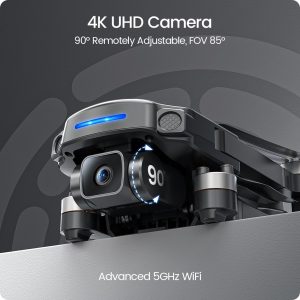
The three-axis gimbal rotates the camera 90 degrees for native portrait-oriented capture. Reels, Shorts, TikTok videos, and other vertical deliverables can use the camera’s full portrait orientation instead of discarding the sides of a horizontal frame.
DJI rates the standard pack for up to 38 minutes under controlled conditions and lists the aircraft at 248 g. The Battery Plus increases the rating to 51 minutes where sold, but raises takeoff weight to about 290 g. Choose based on the complete flight and regulatory setup, not flight time alone.
No directional obstacle sensing
Downward sensing supports positioning and landing. It does not detect trees, wires, walls, or terrain ahead during flight or Return to Home.
No ActiveTrack or Follow Me
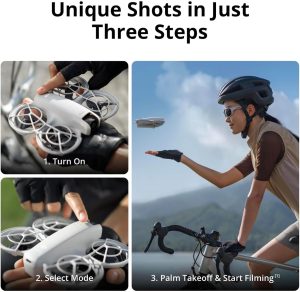
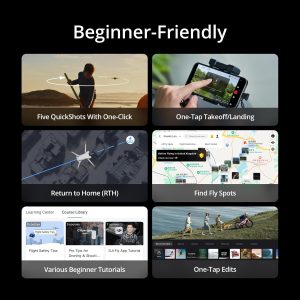
The five QuickShots automate defined camera moves, but the Mini 3 does not continuously track a moving person or vehicle.
No 4K/60 or flat profile
Maximum 4K is 30fps, and DJI lists Normal as the color mode. Higher frame rates require 2.7K or Full HD.
Not a true FPV drone
It prioritizes stabilized camera flight and GPS-assisted control rather than goggles-first acro, racing, or freestyle flying.
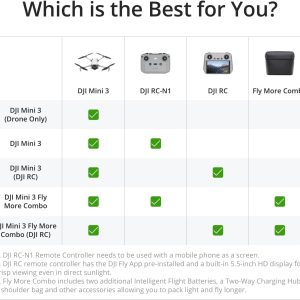
| Option | Best reason to choose it | What to consider |
|---|---|---|
| DJI RC-N1 | Usually the lower-cost entry package and uses a familiar phone. | Requires a compatible phone, cable, mounting, and enough phone battery. |
| DJI RC | Built-in screen and DJI Fly provide a faster, self-contained setup. | Higher package price and another screen device to charge. |
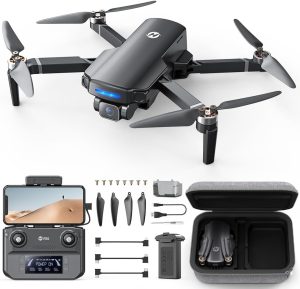
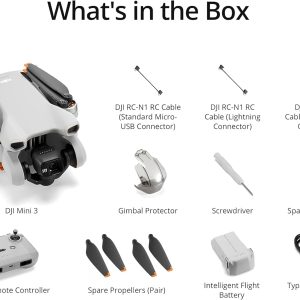
Retailer listings may combine the aircraft with different controllers, batteries, charging hubs, cases, and accessories. A Fly More package can be useful when its extra batteries and hub match your plans, but compare the complete contents rather than assuming every similarly named bundle is identical.
Also confirm whether the listing includes a wall power adapter and compatible microSD card. The aircraft has no internal media storage, and package contents can vary by seller, region, condition, and date.
Best buying approach
Choose the aircraft and controller first, then compare battery count, charger, storage, seller, condition, return policy, and warranty coverage.
Use the product page for the purchase decision and the guides below for deeper research.
Yes, the DJI Mini 3 can still be worth buying, but only when the bundle is meaningfully less expensive than a newer model with obstacle sensing and subject tracking.
The DJI Mini 3 is a 248 g folding camera drone with a 1/1.3-inch sensor, 4K HDR video, True Vertical Shooting, GPS-assisted flight, and up to 38 minutes of rated flight time with the standard battery.
Buy the DJI Mini 4K if you want the least expensive route to stabilized 4K aerial video. Buy the DJI Mini 3 if you care more about image quality, vertical capture, longer flight time, and a controller with a built-in screen.
No. The DJI Mini 3 does not have ActiveTrack, FocusTrack, Spotlight, or a general Follow Me mode. It can use a selected subject during five QuickShots, but those are short, predetermined camera moves.
DJI rates the Mini 3's O2 transmission link for up to 10 km (6.2 miles) under FCC conditions and 6 km (3.7 miles) under CE, SRRC, and MIC conditions. That is an ideal one-way communication rating, not a recommended flight radius.
The DJI Mini 3 is the better fit when camera quality, vertical capture, battery time, and controller choice justify paying more than the entry-level Mini 4K. It is compact, approachable, and capable of producing strong travel and social footage without requiring a Pro-level budget.
Skip it if directional obstacle sensing, continuous tracking, 4K/60, a flat color profile, or true FPV flight is essential. Before selecting Check Price, verify the exact controller, battery configuration, included charging equipment, microSD card, seller, condition, and warranty region.
Yes. GPS-assisted positioning, Return to Home, predictable controls, and a stabilized camera make it approachable in a clear open area. Beginners still need to check the rules, practice orientation, monitor wind and battery, and avoid obstacles manually.
It has downward vision for positioning and landing support but no forward, rear, side, or omnidirectional obstacle detection.
No. It provides five QuickShots but does not offer a general Follow Me, ActiveTrack, or FocusTrack mode.
DJI rates the standard battery for up to 38 minutes and the Battery Plus for up to 51 minutes where available. Those are controlled-condition maximums measured until battery depletion, so usable flight time is shorter.
For purely recreational U.S. operation, the published 248 g standard configuration is below the FAA’s 250 g registration threshold. The Battery Plus raises weight to about 290 g. Flight purpose, accessories, Remote ID, TRUST, airspace, and other rules still matter.
It can be worthwhile for buyers who will fly regularly and value extra batteries, a charging hub, and a carrying solution. Verify the exact battery type, count, charger, controller, and accessories because package contents vary.
| Brand | DJI |
|---|---|
| Model | Mini 3 |
| Product Type | Camera Drone |
| Skill Level | Beginner |
| Use Case | Travel, casual aerial video, beginner camera drone, vertical social media content, scenic b-roll |
| Weight Class | 248 g with standard battery |
| Video Resolution | 4K/30fps HDR |
| Camera Sensor | 1/1.3-inch CMOS |
| Photo Resolution | 48 MP |
| Gimbal | 3-axis mechanical |
| Transmission System | DJI O2 |
| Max Transmission Distance | Up to 10 km FCC in ideal/open conditions |
| Max Flight Time | Up to 38 minutes standard battery; up to 51 minutes Battery Plus |
| Wind Resistance | 10.7 m/s / Level 5 |
| Obstacle Sensing | Downward vision system only |
| True Vertical Shooting | Yes |
| QuickShots | Yes |
| App | DJI Fly |
| Remote Controller | DJI RC-N1 or DJI RC depending on package |
| Battery Included | Intelligent Flight Battery, package dependent |
| FPV Type | Not a true FPV freestyle/racing drone |
The DJI Mini 3 uses the DJI Fly app and must be activated before use. Buyers should verify phone compatibility, controller version, and app setup before buying.