Best for
Beginners and casual creators who want palm launch, automatic subject-centered clips, built-in guards, and a small drone that can fly without a traditional controller.
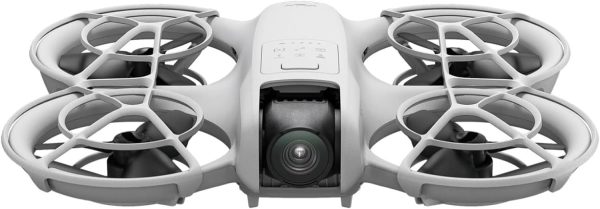
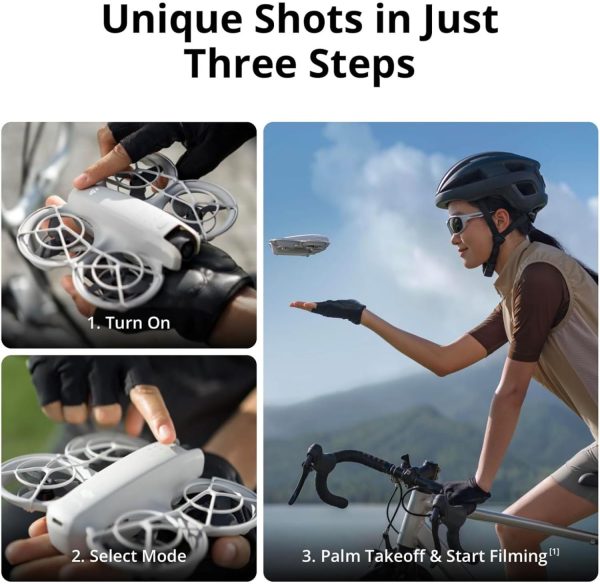
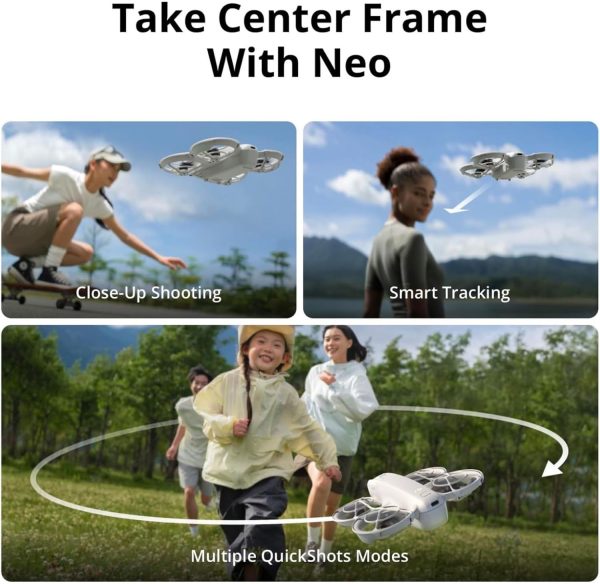
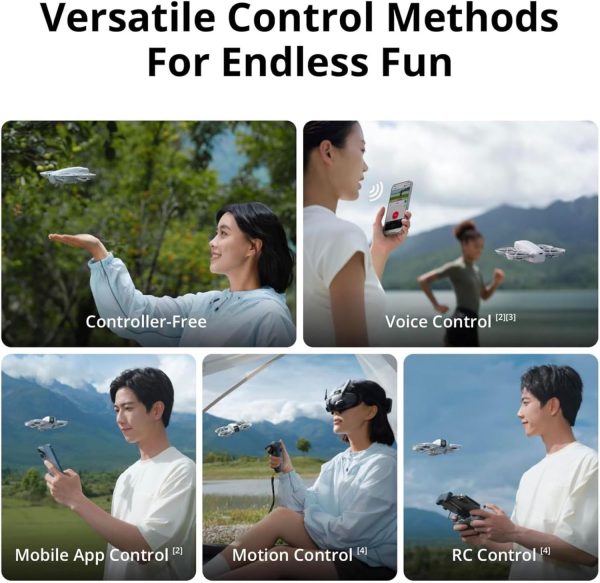
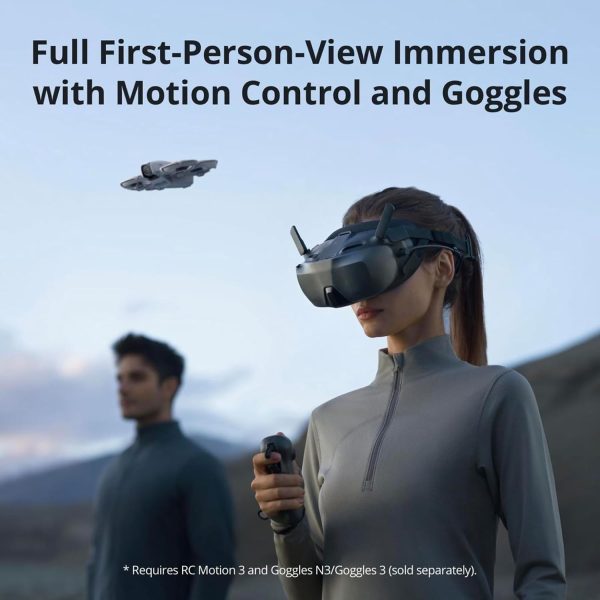
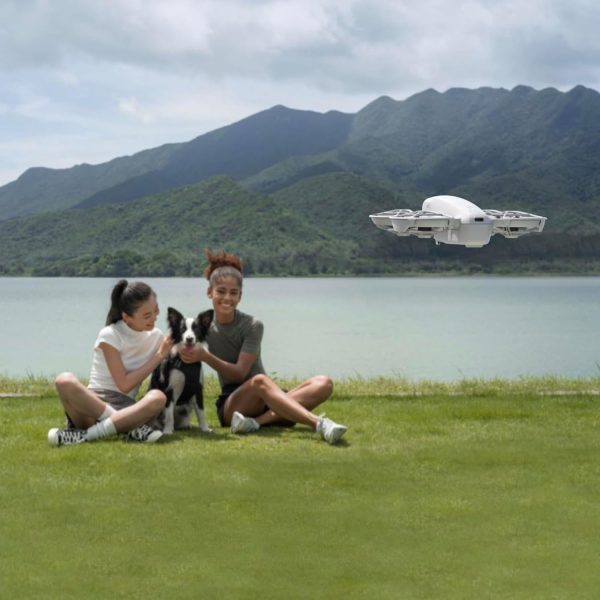
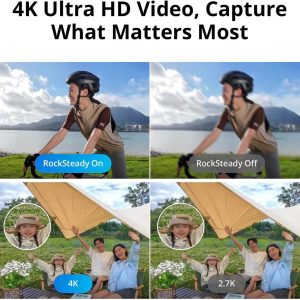
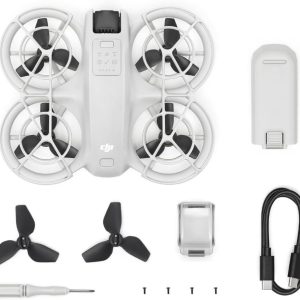
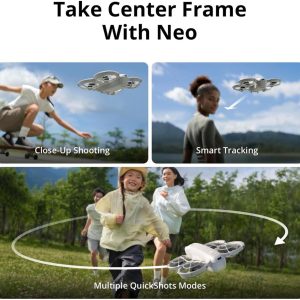
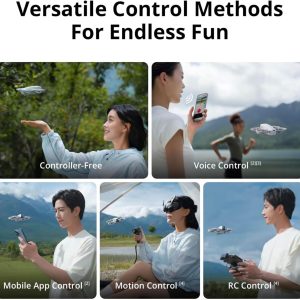
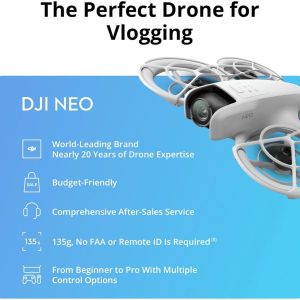
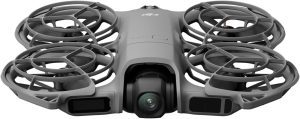
The DJI Neo is a 135 g compact camera drone with palm takeoff, subject tracking, built-in propeller guards, 4K/30fps recording, and controller-free or optional remote and goggles control.
The original DJI Neo is a compact flying camera built around convenience. At approximately 135 g, it combines palm takeoff and landing, subject tracking, automated shooting modes, built-in propeller guards, 4K/30fps recording, and several control options in a package that is easier to carry than a conventional camera drone.
It makes the most sense for beginners, travelers, families, hikers, and casual creators who want short self-filming clips without setting up a larger aircraft. It is less suitable for buyers who prioritize the best image quality, long flight sessions, comprehensive obstacle avoidance, or the three-axis mechanical stabilization found on DJI Mini-series camera drones.
DJI now sells the newer Neo 2 in some markets, so the first-generation Neo is most compelling when its price is meaningfully lower or its available bundle fits your controller and battery needs. Verify the exact model, package, and seller listing before buying.
Best for
Beginners and casual creators who want palm launch, automatic subject-centered clips, built-in guards, and a small drone that can fly without a traditional controller.
Not ideal for
Low-light production, long-range aerial photography, extended flight sessions, obstacle-rich routes, or buyers expecting a three-axis camera gimbal and advanced obstacle avoidance.
Verify before buying
Confirm that the listing is for the original DJI Neo, then check the battery count, controller, goggles, charging hub, charger requirements, app compatibility, and current return policy.
| Specification | DJI Neo |
|---|---|
| Product type | Compact selfie and camera drone with optional remote and immersive controls |
| Takeoff weight | Approximately 135 g |
| Camera | 1/2-inch sensor, 12 MP photos, 14 mm equivalent field of view, and f/2.8 aperture |
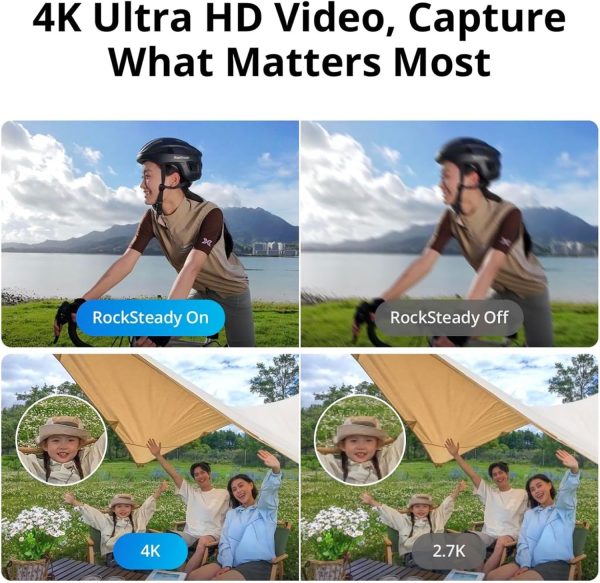
| Video | Up to 4K/30fps or 1080p/60fps |
| Vertical video | 1080 x 1920 at up to 60fps |
| Stabilization | Single-axis mechanical tilt gimbal with RockSteady or HorizonBalancing electronic stabilization |
| Maximum flight-time rating | Approximately 18 minutes, or approximately 17 minutes with the propeller guards, under DJI test conditions |
| Battery | 1435 mAh, 10.5 Wh DJI Neo Intelligent Flight Battery |
| Wind-resistance rating | 8 m/s, Level 4 |
| Storage | 22 GB internal storage; external microSD expansion is not supported |
| Positioning and sensing | GPS, Galileo, and BeiDou positioning with downward visual positioning; no obstacle-avoidance system |
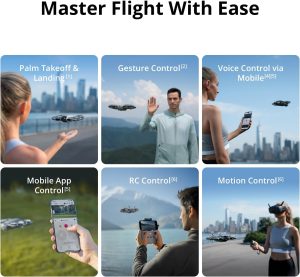
| Control options | Palm control, DJI Fly mobile app, voice control, compatible remote controller, or compatible DJI goggles and motion controls |
| Phone-only operating range | DJI rates the effective Wi-Fi operating range at 50 m in an open, low-interference environment |
| Remote transmission | DJI O4 with a compatible remote; up to 10 km FCC or 6 km CE under ideal unobstructed conditions, not a safe or legal real-world flight target |
Specifications were checked against current DJI product, specification, FAQ, and download information on July 14, 2026. Maximum figures are controlled-condition ratings. Actual performance depends on the control method, firmware, interference, weather, battery reserve, and local flight rules.
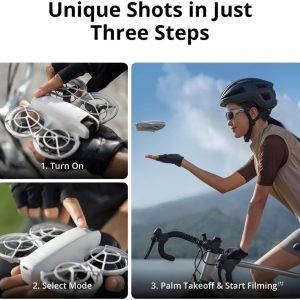
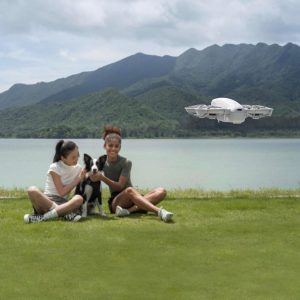
The defining feature is not simply its size. Neo can launch from a stationary open palm, recognize a person as the subject, perform automated filming modes, and return for a palm landing. That makes it useful when setting up a conventional drone and controller would interrupt the moment.
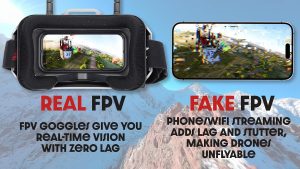
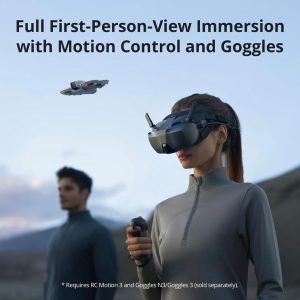
The base aircraft can work with palm controls or the DJI Fly app. A compatible conventional controller gives the pilot more precise stick control and DJI O4 transmission, while a compatible goggles and motion-controller setup provides a more immersive experience. This flexibility is valuable, but it also means the correct bundle depends heavily on how you intend to fly.
Full-coverage propeller guards reduce exposed-propeller risk during close-range filming and indoor use. They do not make the drone collision-proof. Neo still requires a clear route, adequate light for visual positioning, and active pilot supervision.
The 22 GB of internal storage lets you begin recording without a memory card. Footage can be transferred to a phone through DJI Fly or copied to a computer over a data cable. Storage cannot be expanded with a microSD card, so regular file transfers are part of ownership.
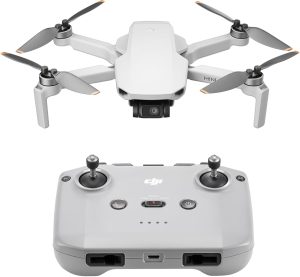
If three-axis stabilization, longer rated flight time, and conventional outdoor aerial video matter more than palm launch and subject tracking, consider the DJI Mini 4K camera drone. Buyers who want a larger sensor and stronger vertical-content features can also compare the DJI Mini 3 drone.
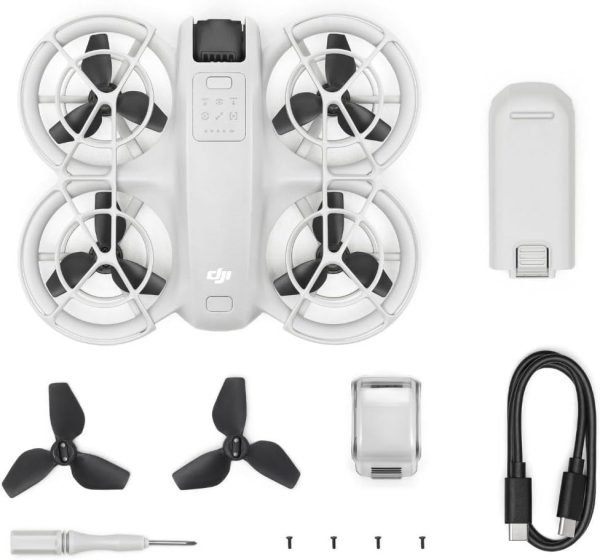
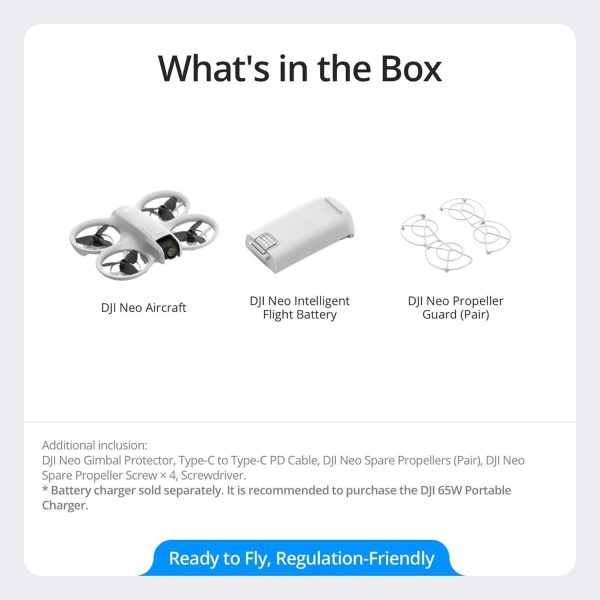
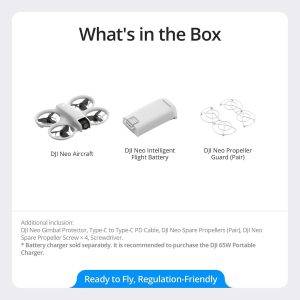
This is the simplest entry point for palm-controlled filming and short phone-controlled flights. The supplied retailer listing describes the selected base package as including the aircraft, one battery, a pair of propeller guards, spare propellers and screws, a gimbal protector, screwdriver, and USB-C cable. Verify the current package before checkout.
This configuration suits buyers who mainly want automated filming but need more flight sessions. The supplied retailer listing describes it as adding three total batteries and the Two-Way Charging Hub without a conventional remote controller.
Choose this route if you want traditional stick control and longer-distance DJI O4 transmission. The supplied listing describes the Fly More package as including the RC-N3, three batteries, and the Two-Way Charging Hub. Confirm that the included phone connection cables match your device.
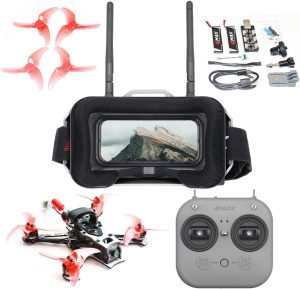
This package is for immersive control. The supplied retailer listing describes a Motion Fly More configuration with Goggles N3, RC Motion 3, three batteries, and a charging hub. Goggles and controller compatibility can depend on the exact accessory, firmware, and regional package, so verify the included models instead of assuming all DJI goggles work with Neo.
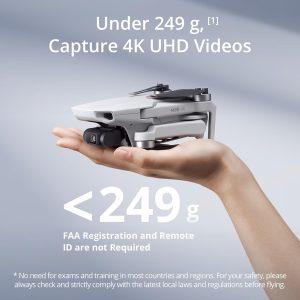
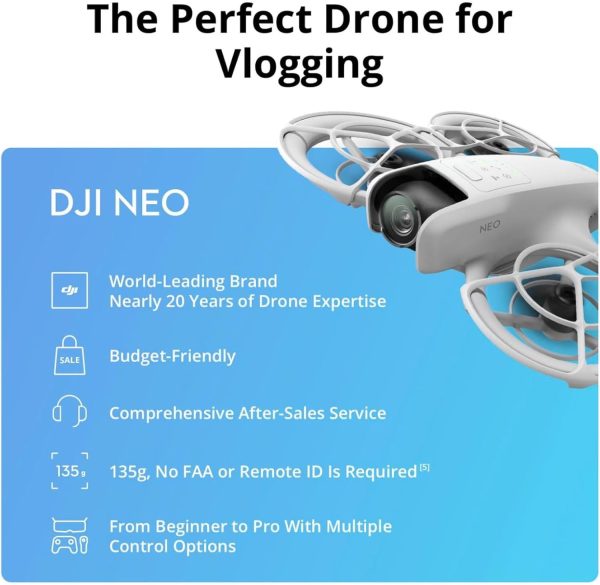
In the United States, the 135 g weight can qualify for the sub-250 g recreational registration exception, but the exception does not apply to every operation. Recreational flyers must still pass TRUST, follow airspace and operating rules, and verify whether registration or Remote ID applies to their use.
Use the product page for the purchase decision and the guides below for deeper research.
DJI Neo range depends on how it is controlled. Direct phone control is rated for about 50 m in an open, low-interference environment. With compatible O4 control equipment, DJI publishes up to 10 km under FCC rules or 6 km under CE rules in...
The DJI Neo app is DJI Fly. Use it to activate the aircraft, install firmware, control Neo from a phone, change camera and safety settings, run intelligent shooting modes, and transfer footage.
Yes, the original DJI Neo can follow you using its Follow intelligent shooting mode and AI subject tracking. It can launch from your palm and track a clearly visible person without a handheld controller.
Yes, the original DJI Neo is still worth buying when it is meaningfully cheaper than the Neo 2 and you primarily want palm launch, automatic subject tracking, and short social-video clips.
Choose the DJI Mini 4K for conventional aerial photography, a three-axis gimbal, longer flights, stronger wind resistance, and more predictable outdoor control.
The DJI Neo is an approachable first-generation flying camera for buyers who value portability, palm launch, subject tracking, built-in guards, and flexible control more than maximum camera quality or long flight time. Its strongest use is short, close-range self-filming that would be inconvenient with a larger camera drone.
Buy it when the original Neo is priced far enough below the Neo 2 to justify the older design and when the selected bundle includes the batteries and control method you actually need. Skip it if obstacle avoidance, low-light quality, long sessions, or a three-axis gimbal is central to the purchase.
Yes, especially for palm-controlled automated clips and short flights in clear areas. Beginners still need to learn local rules, keep the route free of obstacles, and understand that the drone has no obstacle avoidance.
No. It can use palm controls or connect to the DJI Fly app over Wi-Fi. A compatible remote controller provides more precise control and O4 transmission, while compatible goggles and motion controls support immersive flying.
No. It uses downward visual positioning for hovering and landing support, but it does not detect and avoid obstacles in its flight path.
DJI rates it for approximately 18 minutes, or approximately 17 minutes with the propeller guards, under controlled conditions. Plan for less usable time after accounting for wind, recording, maneuvering, temperature, and a safe battery reserve.
No. It records up to 4K/30fps in standard orientations, while its native vertical recording mode is 1080 x 1920 at up to 60fps.
U.S. recreational flights can qualify for the under-250 g registration exception, but Part 107 use and other circumstances can require registration and Remote ID compliance. Every U.S. recreational flyer must complete TRUST and follow current FAA rules.
| Brand | DJI |
|---|---|
| Model | DJI Neo |
| Product Type | Compact Camera and Selfie Drone |
| Skill Level | Beginner |
| Takeoff Weight | Approximately 135 g |
| Dimensions | 130 x 157 x 48.5 mm |
| Camera Sensor | 1/2-inch Image Sensor |
| Photo Resolution | 12 MP |
| Maximum Video Resolution | 4K at 30fps |
| Vertical Video | 1080 x 1920 at up to 60fps |
| Stabilization | Single-axis Mechanical Gimbal with RockSteady or HorizonBalancing EIS |
| Max Flight Time | Approximately 18 minutes; approximately 17 minutes with propeller guards |
| Battery | 1435 mAh 10.5 Wh Li-ion Intelligent Flight Battery |
| Wind Resistance | 8 m/s Level 4 |
| Positioning | GPS Galileo BeiDou and Downward Visual Positioning |
| Obstacle Sensing | Downward Visual Positioning Only; No Obstacle Avoidance |
| Transmission System | DJI O4 with Compatible Remote Controller |
| Rated Transmission Distance | Up to 10 km FCC or 6 km CE in Ideal Unobstructed Conditions |
| Phone-only Operating Range | Up to 50 m in an Open Low-interference Environment |
| Control Options | Palm Phone Compatible Remote Controller Compatible Goggles and Motion Control |
| Internal Storage | 22 GB |
| microSD Expansion | Not Supported |
| App | DJI Fly |
| Color | Gray |